
What are PAR Levels in Inventory Management?
Effective inventory management is key to running a smooth and efficient business. To achieve this, one crucial component to understand is what PAR levels are and how to calculate them. Specifically, PAR stock helps businesses maintain the right amount of stock, ensuring they meet demand without overstocking or running out. In this blog, we will […]
How to Calculate Cost Per Unit

Understanding cost per unit is essential for effective pricing, budgeting, and financial management. This metric helps businesses determine the expense of producing a single product or service. Accurate calculation enables companies to set competitive prices, manage expenses efficiently, and enhance overall profitability. It also provides valuable insights into cost control and efficiency. This blog will […]
What is Demand Forecasting in Inventory Management?

Accurate demand forecasting is vital for effective inventory management. It ensures that businesses can meet customer demand without overstocking or understocking, optimizing inventory levels and boosting profits. In this blog, we’ll explore what demand forecasting is, various methods and real-world examples, its impact on inventory management, and best practices, and conclude with key takeaways. We’ll […]
What Is Lead Time? Meaning, Formula and Calculator [Updated 2026]

Lead time is the number of days between placing an order and having the goods ready to sell. For a store or a wholesaler, that usually means supplier lead time: from the day you send the purchase order to the day the stock is checked in. Order on October 1, shelve the cartons on October […]
Barcode Scanning vs. Manual Data Entry
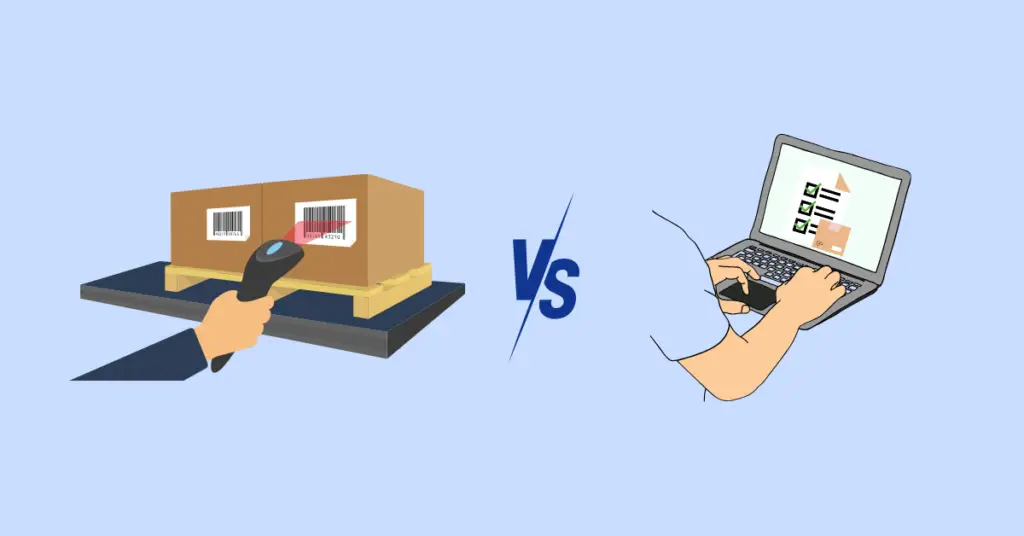
Efficient inventory management is vital for business success, impacting customer satisfaction and profitability. In today’s competitive landscape, choosing the right method to track inventory, whether barcode scanning or manual data entry, can make a significant difference in inventory management. Let’s explore barcode scanning vs manual data entry, highlighting the benefits of automating inventory data entry […]
What Is a Backorder? Meaning, Examples and How to Manage Them [Updated 2026]
A backorder is an order you accept for an item you don’t have in stock right now, with a promise to ship it once new stock arrives. The customer has bought it, but it’s still on its way to you. A bike shop that takes a deposit on an e-bike its supplier will deliver next […]
Retail vs Wholesale: Definition, Differences, and Pricing
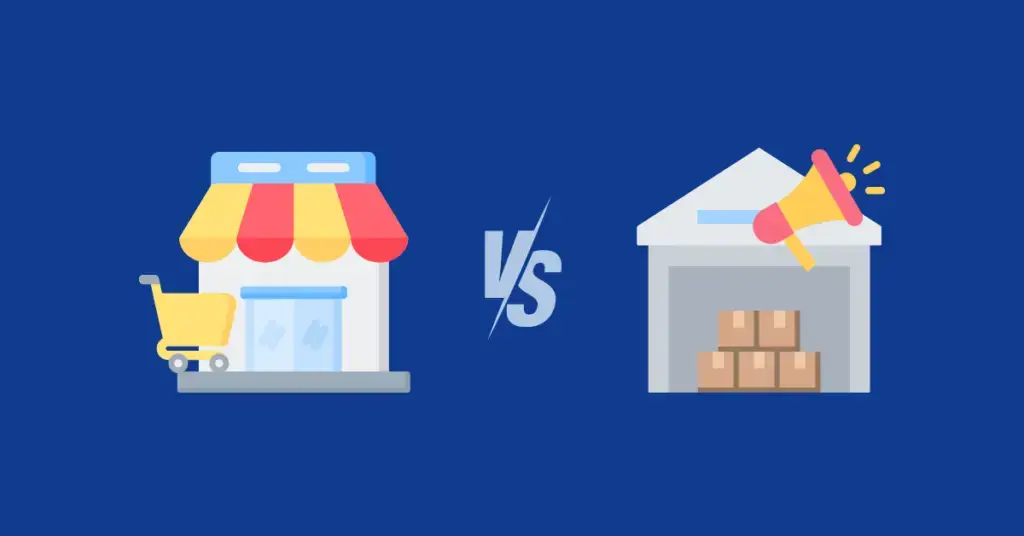
Navigating the world of commerce requires a clear understanding of retail and wholesale businesses. While interconnected, these two models operate distinctly, impacting pricing strategies, target markets, and overall business operations. This blog delves into the core differences between retail and wholesale, explores how they work, and provides insights into effective pricing strategies. What is Retail? […]
Inventory Valuation Methods: Which One Should You Choose?

Choosing the right inventory valuation method is crucial for businesses as it directly impacts financial statements, tax liabilities, and overall financial health. Inventory valuation determines the cost of goods sold (COGS) and ending inventory value, influencing profitability and key financial metrics. This blog will explore the primary inventory valuation methods (FIFO, LIFO, and WAC), their […]
Barcode Scanning in Inventory Management

In today’s fast-paced business environment, barcode scanning has become an essential tool in effective inventory management. This innovative technology streamlines barcode management processes, enabling businesses to track their products with unparalleled accuracy and efficiency. By utilizing a barcode inventory system, companies can optimize their inventory control, minimize errors, and ensure timely order fulfillment. In this […]
Inventory Management for Small Businesses
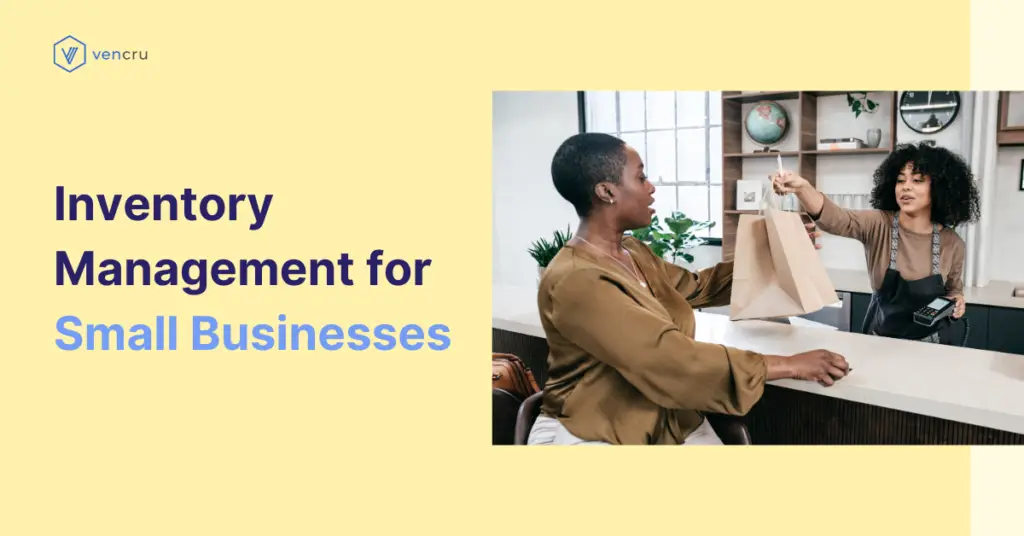
Effective inventory management strategies are crucial for the success of any business, especially to manage small businesses. Proper stock management ensures businesses can meet customer demand without overstocking or understocking products, preventing lost sales and increased costs. In this blog post, we will explore how inventory management works for small businesses, their challenges, common inventory […]