What is a Retail Management System?
A Retail Management System (RMS) is a comprehensive software platform designed to manage and streamline various aspects of retail operations. This integrated solution centralizes critical business functions, providing a unified view of your retail enterprise. Implement an RMS to enhance efficiency, improve decision-making, and elevate the overall customer experience.
Defining the Core Functionality
The core functionality of an RMS revolves around automating, integrating, and optimizing essential retail processes. This includes managing sales transactions, controlling inventory, engaging customers, and overseeing staff. An effective RMS provides real-time visibility, enabling you to make informed business decisions swiftly. It acts as the operational backbone for your retail business, ensuring smooth, interconnected workflows.
The Evolution of Retail Technology
Retail technology has evolved significantly from basic cash registers to sophisticated, interconnected cloud-based RMS platforms. Early systems focused primarily on transaction processing. Modern RMS solutions, however, leverage cloud computing, artificial intelligence, and mobile technology to offer advanced capabilities. This evolution reflects a growing demand for data-driven insights and seamless customer interactions across multiple channels. Embrace these technological advancements to maintain a competitive edge.
Key Components of a Comprehensive Retail Management System
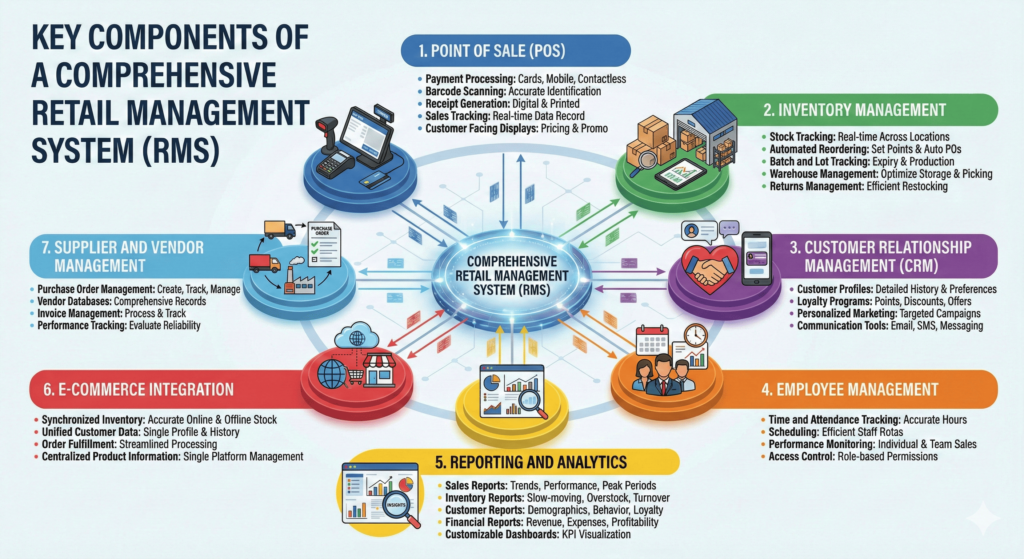
A robust Retail Management System integrates several key components, each playing a crucial role in optimizing retail operations. Understand these components to leverage the full potential of your RMS.
1. Point of Sale (POS)
A POS software is the central component for processing sales transactions in-store. It handles sales, returns, exchanges, and gift card transactions. A retail POS system often includes features such as:
- Payment Processing: Accept various payment methods, including credit cards, debit cards, mobile payments, and contactless options.
- Barcode Scanning: Expedite checkout processes and ensure accurate product identification.
- Receipt Generation: Provide digital or printed receipts to customers.
- Sales Tracking: Record all sales data for reporting and analysis.
- Customer Facing Displays: Show pricing and promotions directly to the customer.
Utilize an efficient POS system to accelerate transactions and improve customer satisfaction.
2. Inventory Management
Inventory Management is critical for maintaining optimal stock levels. This component allows you to track products from receipt to sale. Key features include:
- Stock Tracking: Monitor inventory levels in real-time across all locations.
- Automated Reordering: Set reorder points to trigger automatic purchase orders.
- Batch and Lot Tracking: Manage products with specific expiry dates or production batches.
- Warehouse Management: Optimize storage and picking processes.
- Returns Management: Process customer returns efficiently and restock inventory accurately.
Implement robust inventory management to prevent stockouts, reduce overstocking, and minimize waste.
3. Customer Relationship Management (CRM)
A Customer Relationship Management (CRM) module helps you build and maintain strong customer relationships and customer loyalty. It captures customer data and interaction history. Essential CRM functionalities include:
- Customer Profiles: Store detailed customer information, including purchase history and preferences.
- Loyalty Programs: Manage reward points, discounts, and exclusive offers for loyal customers.
- Personalized Marketing: Segment customers and deliver targeted marketing campaigns.
- Communication Tools: Facilitate direct communication via email, SMS, or in-app messaging.
Leverage CRM to understand your customers better, personalize their shopping experience, and foster long-term loyalty.
4. Employee Management
Employee Management functionalities streamline workforce store operations. This component helps you manage staff schedules, performance, and access levels. Features often include:
- Time and Attendance Tracking: Monitor employee work hours accurately.
- Scheduling: Create and manage staff rotas efficiently.
- Performance Monitoring: Track individual and team sales performance.
- Access Control: Define role-based permissions for different system functionalities.
Optimize employee store management to improve staff productivity and operational control.
5. Reporting and Analytics
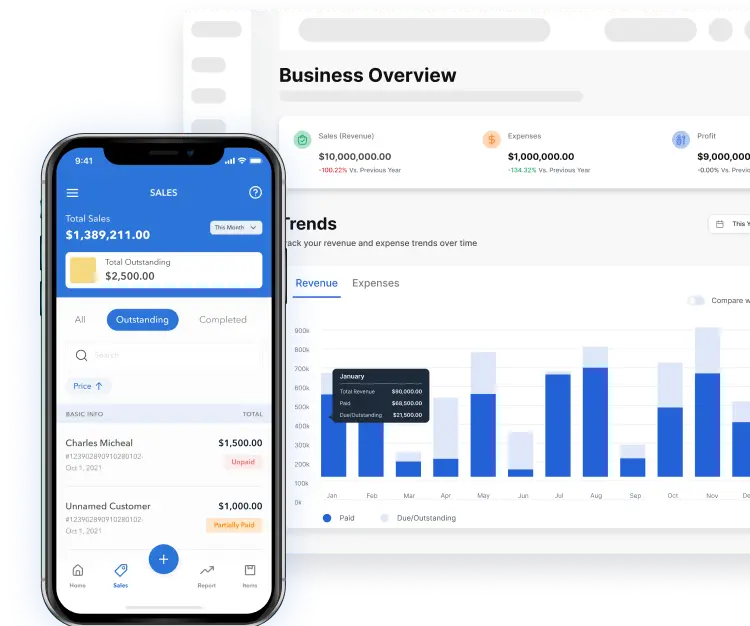
Reporting and Analytics are vital for informed decision-making and back-office operations. This component transforms raw data into actionable insights. Key features include:
- Sales Reports: Analyze sales trends, product performance, and peak selling periods via a user-friendly dashboard.
- Inventory Reports: Identify slow-moving items, overstocked products, and inventory turnover rates. Ideally, should support multi-location inventory reporting.
- Customer Reports: Understand customer demographics, purchase behavior, and loyalty metrics.
- Accounting & Financial Reports: Track revenue, expenses, and profitability – including by retail store.
- Customizable Dashboards: Visualize key performance indicators (KPIs) at a glance.
Utilize comprehensive reporting and analytics to identify opportunities, mitigate risks, and drive business growth.
6. E-commerce Integration
E-commerce Integration (e.g., Shopify) connects your physical stores with your online presence. This ensures a consistent customer experience across all sales channels. Benefits include:
- Synchronized Inventory: Maintain accurate stock levels across online and offline channels.
- Unified Customer Data: Access customer profiles and purchase history regardless of where the purchase was made.
- Order Fulfillment: Streamline order processing for online sales, including picking, packing, and shipping.
- Centralized Product Information: Manage product descriptions, images, and pricing from a single platform.
Integrate e-commerce to offer a seamless omnichannel shopping experience and expand your market reach.
7. Supplier and Vendor Management
Supplier and Vendor Management streamlines your procurement process. This component helps you manage relationships with suppliers and track purchasing activities. Features include:
- Purchase Order Management: Create, track, and manage purchase orders efficiently.
- Vendor Databases: Maintain comprehensive records of all suppliers and their terms.
- Invoice Management: Process and track supplier invoices.
- Performance Tracking: Evaluate supplier reliability and delivery performance.
Optimize supplier management and order management to ensure timely stock replenishment, negotiate better terms, and reduce procurement costs.
Benefits of Implementing a Retail Management System
Implementing an all-in-one Retail Management Software delivers numerous tangible benefits, significantly improving your business performance.
Increased Operational Efficiency
An RMS automates repetitive tasks and integrates disparate systems, reducing manual errors and saving valuable time. This streamlines workflows, allowing your staff to focus on more strategic activities.
Enhanced Customer Experience
By centralizing customer data and enabling personalized interactions, an RMS helps you deliver superior service. Faster checkouts, personalized offers, and consistent service across channels enhance customer satisfaction and loyalty.
Improved Inventory Control
Real-time inventory tracking and automated reordering capabilities minimize stockouts and overstocking. This leads to reduced carrying costs and improved cash flow.
Better Data-Driven Decisions
The reporting and analytics component provides actionable insights into sales trends, customer behavior, and operational performance. Make informed decisions to optimize pricing, promotions, and product assortment.
Reduced Costs and Increased Profitability
By optimizing inventory, improving efficiency, and reducing losses from theft or errors, an RMS directly contributes to cost reduction. Increased sales through better customer engagement further boost profitability.
Scalability for Future Growth
A robust retail management solution is designed to grow with your business. It can accommodate additional stores, product lines, and increasing transaction volumes without significant overhauls, supporting your long-term expansion plans.
Choosing the Right Retail Management System
Selecting the appropriate RMS is a critical decision that impacts your business for years. Consider these factors carefully during your evaluation process.
Assess Your Business Needs
Begin by conducting a thorough assessment of your specific operational requirements. Identify your pain points, desired functionalities, and budget constraints. Prioritize features that address your most pressing challenges and offer the greatest return on investment.
Consider Scalability
Choose a system that can adapt to your future growth. Ensure it supports multiple locations, increased transaction volumes, and potential expansions into new product categories or sales channels. Avoid systems that may become obsolete as your business evolves.
Evaluate Integration Capabilities
Confirm that the RMS seamlessly integrates with your existing software, such as accounting systems, e-commerce platforms, and marketing tools. Smooth integration prevents data silos and ensures a unified operational view.
Prioritize User-Friendliness
A system that is easy to learn and use will lead to higher adoption rates among your staff. Look for intuitive interfaces, clear navigation, and comprehensive documentation. User-friendliness directly impacts staff productivity and reduces training time.
Review Vendor Support and Training
Assess the vendor’s reputation for customer support, technical assistance, and training resources. Reliable support is crucial for smooth implementation and ongoing operation. Ensure they offer timely assistance and continuous updates.
Implementing Your Retail Management System
Successful implementation of an RMS requires careful planning and execution. Follow these steps for a smooth transition.
Choose the Right System
Start with software that fits how stores actually run. You need inventory tracking, barcode/POS checkout, purchasing, supplier management, invoicing, and accounting in one place. Simple tools reduce staff errors and speed up training. Avoid complex systems that require extra apps or spreadsheets. A retail inventory management software like Vencru keeps sales, stock, and finances connected from day one.

Data Migration
Accurately migrate all relevant data from your legacy systems to the new RMS. Upload products, SKUs, prices, suppliers, and current stock counts. Clean duplicates and fix costs before importing. Set reorder levels, tax rules, and payment methods. Run test sales and purchase orders to confirm reports match reality. Validate data integrity post-migration to prevent errors.
Staff Training
Provide comprehensive training to all employees who will use the new system. Offer hands-on sessions and detailed guides. Ensure they understand all relevant functionalities and can operate the system efficiently.
Go-Live and Post-Implementation Support
Execute the system launch methodically. Monitor daily sales, stock accuracy, and cash flow to fine-tune workflows. Address any issues promptly. Ensure ongoing technical support is available to resolve unforeseen problems and optimize system usage.
The Future of Retail Management Systems
Retail management systems will continue to evolve, driven by technological advancements and changing consumer expectations.
Emerging Technologies and Trends
Expect further integration of Artificial Intelligence (AI) and Machine Learning (ML) for predictive analytics, personalized recommendations, and automated customer service. The Internet of Things (IoT) will enhance inventory tracking and asset management. Mobile RMS solutions will become more prevalent, offering greater flexibility and real-time access. Embrace these trends to future-proof your retail operations.
Conclusion: Empower Your Retail Business
A robust Retail Management System is an indispensable asset for any modern retail business. It provides the tools necessary to streamline operations, enhance customer experiences, and drive profitability. Invest in a comprehensive RMS to empower your business with efficiency, insight, and competitive advantage. Implement these strategies to unlock the full potential of your retail enterprise.