
Inventory Accounting: A Detailed Guide

Inventory accounting is crucial for any product-based business, emphasizing the systematic tracking and valuation of stock. Understanding what inventory accounting is allows businesses to accurately determine their inventory’s value, which is vital for financial insights, operational efficiency, and tax compliance. Effective inventory accounting impacts profit margins, pricing strategies, inventory costs, and overall business management by […]
Days Sales in Inventory (DSI): Formula, Example and How to Lower It
Days sales in inventory (DSI) is the average number of days it takes a business to sell its inventory. To calculate it, divide average inventory by cost of goods sold for the period, then multiply by the number of days in that period. A store with $50,000 of average inventory and $600,000 of annual cost […]
How to Calculate Inventory Holding Cost

Effective inventory management is crucial for business success, and understanding how to calculate inventory holding costs is a key component. In this blog, we will delve into what inventory holding costs are, how to calculate them, and ways to manage them efficiently. We’ll also provide tips for reducing these costs and offer insights into how […]
Just-in-Time vs. Just-in-Case Inventory
Choosing between Just-in-Time and Just-in-Case inventory strategies depends on your business needs, supply chain reliability, and cost considerations. Each approach offers distinct advantages and challenges. The right strategy can optimize your inventory management and boost overall business performance. By leveraging advanced inventory management solutions like Vencru, you can enhance the efficiency and accuracy of your […]
The Ultimate Guide to Inventory Management
Inventory management is the backbone of any product-based business. Whether you’re in retail, wholesale, or manufacturing, managing your inventory effectively is crucial to your success. This comprehensive guide will explore what inventory management is, its benefits, inventory management processes, and inventory management systems. We will delve into inventory costs, inventory management best practices, and how […]
What is Supply Chain Management and Why is it Important?

Supply chain management (SCM) is a crucial aspect of modern business operations that directly impacts a company’s efficiency, customer satisfaction, and profitability. Whether you’re involved in manufacturing, retail, or service industries, understanding supply chain management and its importance is vital. This comprehensive blog will explore what supply chain management is, its significance, key elements, common […]
How to Calculate Contribution Margin

Understanding contribution margin is crucial for effective financial analysis and decision-making in business. This metric helps in assessing how individual products or services contribute to covering fixed costs and generating profits. In this blog, we’ll dive deep into what contribution margin is, how to calculate it, understand its ratio, and how to use it to […]
What is Minimum Order Quantity (MOQ)?
In the world of business and manufacturing, the term Minimum Order Quantity (MOQ) frequently surfaces. For those new to the concept, understanding what MOQ means and stands for, its implications, how to calculate it, and how it affects different sectors can be vital to successful operations. This blog will dive deep into the nuances of […]
What Is Deadstock?

Deadstock refers to inventory that remains unsold and becomes obsolete over time. For businesses, managing deadstock is crucial for maintaining profits and running smooth operations. This blog will explain what deadstock is, why it happens, how to get rid of it, how to calculate its cost, and most importantly, how to avoid it through effective […]
What Is a Distributor? How Wholesale Distribution Works
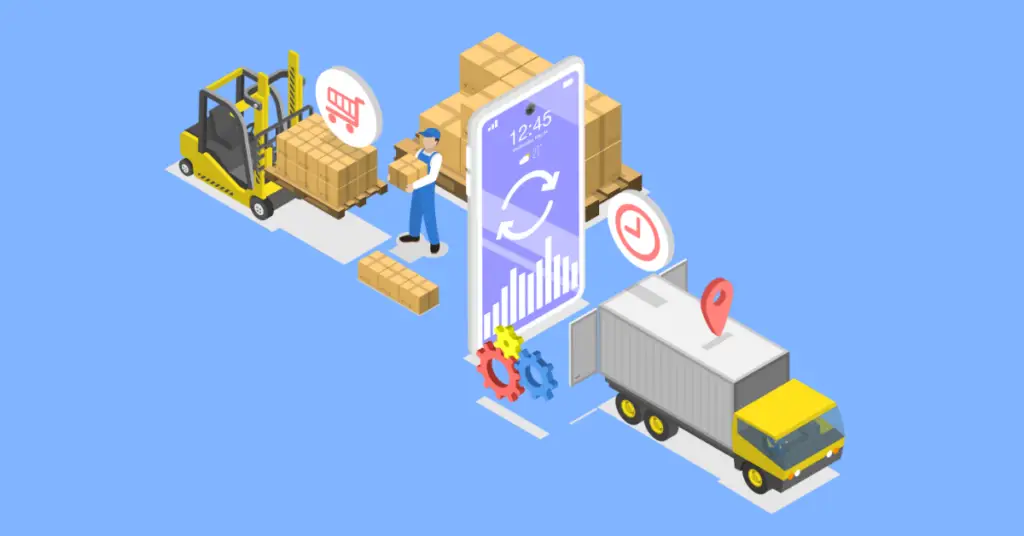
A distributor is a business that buys products from manufacturers, holds them in inventory, and resells them to retailers, other businesses, or sometimes end users. The distributor takes ownership of the goods, so it carries the stock risk and earns its profit from the gap between what it pays and what it charges. Distributors sit […]